Termite damage often develops quietly inside walls, floors, trim, and framing before homeowners see an obvious warning sign. A termite damage repair service can help uncover compromised materials, rebuild affected areas, and restore finished surfaces after the active infestation has been addressed. Ponderosa Painting explains, “Our experts meticulously repair the harm caused by termite infestation, ensuring the integrity of your structure is restored and protected against future threats.” Understanding termite repair helps homeowners know what to expect from the first inspection through structural work, drywall replacement, trim installation, painting, and the final cleanup.
A painting contractor may also become an important part of the restoration once damaged materials have been removed or replaced. A contractor with drywall, carpentry, texturing, and painting capabilities can repair damaged wall surfaces, replace trim, recreate existing textures, and match paint so the repaired portion does not stand out from the rest of the room. Termite restoration therefore involves more than replacing weakened wood. The finished surface should look intentional once the underlying problem has been corrected.
Understanding Professional Termite Repair Services
A termite damage repair service usually begins by determining how far the damage extends rather than immediately replacing the first damaged board that can be seen. Termites may travel behind drywall, through sill plates, around window framing, beneath flooring, or inside structural wood where surface damage provides only part of the story. The Environmental Protection Agency reports that termites cause billions of dollars in structural damage every year, while property owners spend more than $2 billion annually treating them. A detailed inspection helps separate cosmetic damage from areas that may require more substantial carpentry or structural evaluation.
- Inspections look beyond the most obvious damaged areas.
- Repair plans distinguish cosmetic problems from structural concerns.
- Walls, floors, trim, framing, and moisture-prone areas may require inspection.
- Serious damage may require input from additional licensed professionals.
1. Thorough Assessments Reveal Hidden Problems
Termite damage can remain concealed long after the insects first enter a building. Experienced inspectors commonly examine crawl spaces, framing, sill plates, joists, baseboards, window and door areas, and other wood components where activity may be difficult for homeowners to notice. Moisture sources also deserve attention because plumbing leaks, poor drainage, and damp wood can contribute to conditions associated with termites and wood decay. HUD has warned that wood-destroying insects can damage structural wood components while remaining unnoticed for extended periods, which makes careful assessment important before termite repair starts.
- Inspectors look for hollow or visibly weakened wood.
- Crawl spaces and concealed framing receive closer examination.
- Moisture sources such as leaks or drainage problems are identified.
- Written findings can help organize the repair scope.
- Hidden termite damage may exist beyond the first visible problem area.
2. Planning Determines Repair Success
Detailed planning keeps termite repair from becoming a series of disconnected fixes. Contractors need to determine which materials remain sound, which sections should be reinforced, what must be completely replaced, and how repaired areas will be finished afterward. Trim profiles, wall textures, flooring transitions, paint colors, and access points should be considered before demolition begins because those details can affect both the schedule and final appearance. The LSU AgCenter recommends eliminating termites before assessing and repairing termite damage, helping prevent active insects from continuing to damage newly repaired materials.
- Repair schedules are organized before demolition begins.
- Damaged and reusable materials are identified separately.
- Replacement trim and finishes can be selected ahead of time.
- Homeowners receive a clearer understanding of the work involved.
- Active termite infestations should be treated before damaged areas are rebuilt.
3. Preparation Creates Stronger Results
Preparation has a direct effect on how well repaired areas perform after the project is finished. Contractors may need to remove deteriorated drywall, trim, insulation, or wood components, clean the exposed area, correct moisture problems, and verify that the surrounding material is suitable before rebuilding begins. The Centers for Disease Control and Prevention emphasizes moisture control as an important part of preventing mold growth, while the LSU AgCenter also recommends repairing plumbing and structural leaks as part of termite prevention. Addressing moisture at the same time as termite damage can prevent a homeowner from covering one problem while leaving another hidden behind the new wall or finish.
- Deteriorated materials are removed before reconstruction.
- Exposed areas can be checked for additional damage.
- Leaks and moisture sources should be corrected when found.
- Surfaces are prepared before new drywall, trim, or coatings are installed.
- Proper preparation reduces the chance of concealing unresolved problems.

4. Quality Materials Make a Difference
Material selection becomes especially important when termite damage has affected wood exposed to moisture or recurring environmental stress. Small cosmetic defects may sometimes be repaired, while severely weakened framing, trim, or other wood components can require partial or complete replacement. The LSU AgCenter notes that decayed wood may need to be replaced with pressure-treated wood in situations where the moisture source cannot be completely eliminated. Contractors should choose replacement materials based on location, structural purpose, moisture exposure, finish requirements, and compatibility with the existing home rather than simply using whatever material is easiest to install.
- Replacement materials should match the job they are expected to perform.
- Severely compromised wood may require complete replacement.
- Smaller nonstructural defects may allow more limited repairs.
- Moisture exposure should influence material selection.
- Finish materials should coordinate with surrounding walls, trim, and flooring.
5. Structural Reinforcement Protects the Home
Structural termite damage deserves more attention than damaged paint, drywall, or decorative trim because joists, beams, sill plates, studs, and other framing members help carry the weight of the building. Qualified repair professionals may reinforce partially damaged areas or replace compromised components when the remaining material cannot provide adequate support. The LSU AgCenter specifically notes that a licensed engineer may be needed to evaluate structural impact when termite damage appears severe. Homeowners should avoid assuming that wood is structurally sound simply because paint or drywall still covers it.
- Joists, beams, studs, and sill plates require careful evaluation.
- Compromised members may need reinforcement or replacement.
- Severe structural damage may warrant an engineer’s assessment.
- Cosmetic repairs should not cover unresolved framing problems.
- Structural work should restore dependable support before finish work begins.
6. Appearance Matters During Restoration
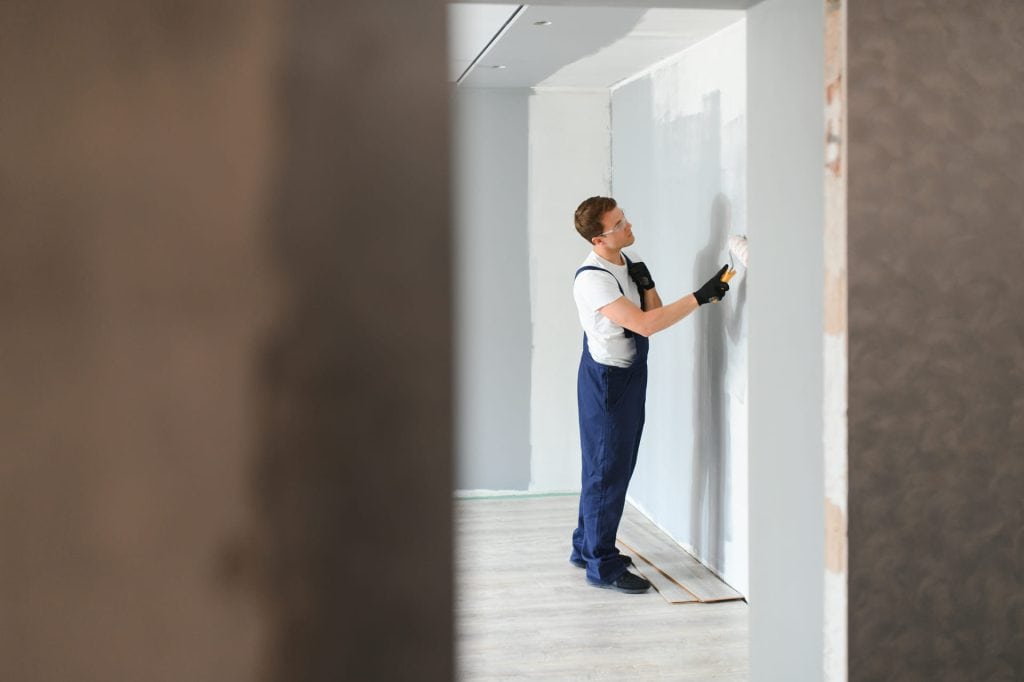
Termite repair is not complete merely because damaged framing has been replaced. Wall patches, mismatched texture, uneven trim joints, exposed fasteners, or noticeably different paint can leave a room looking unfinished even after the structural work is sound. A skilled painting contractor can recreate textures, prepare repaired drywall, match existing colors, caulk new trim, prime replacement materials, and apply finish coats so the restored area blends more naturally into the surrounding room. Careful finish work is especially useful when termite repairs involve highly visible spaces such as living rooms, kitchens, hallways, window surrounds, and entry areas.
- Paint colors can be matched to surrounding surfaces.
- Drywall texture can be recreated over repaired sections.
- Trim profiles should remain consistent with nearby molding.
- New wood should be properly prepared before finishing.
- Careful paint and finish work makes repaired areas less noticeable.
7. Professional Repairs Reduce Future Risks
DIY repairs can become risky when visible termite damage represents only a small part of a larger concealed problem. Covering damaged wood with filler, installing new trim over weakened framing, or patching drywall before the infestation is controlled may improve appearance without correcting the underlying condition. The LSU AgCenter identifies prevention as the best form of termite control and recommends measures such as avoiding soil-to-wood contact and maintaining proper protection around a structure. Professional termite repair should therefore consider both the damaged material and the conditions that could allow another problem to develop.
- Repair plans should address concealed as well as visible damage.
- Termite treatment should be completed before reconstruction where appropriate.
- Wood-to-soil contact and moisture problems deserve attention.
- Professional repairs can coordinate structural and cosmetic restoration.
- Ongoing inspection remains important after repairs are complete.
Professional Repair Services Provide Lasting Value
A termite damage repair service can coordinate several stages of restoration that homeowners might otherwise have to manage separately. Inspection identifies the extent of the problem, demolition exposes concealed conditions, carpentry restores damaged materials, and drywall or painting work returns the room to a finished appearance. Thorough restoration also gives contractors a chance to identify leaks, damaged trim, deteriorated framing, or other problems that may not have been apparent before the wall or floor was opened. Homeowners benefit most when the project corrects the actual damage rather than simply hiding the evidence of it.
- Repairs restore damaged building components.
- Moisture and access conditions can be addressed during the project.
- Finish work restores the appearance of affected rooms.
- Coordinated repairs reduce the chance that hidden issues are overlooked.
- Professional inspection provides a clearer basis for future maintenance.
Key Takeaways on Termite Repair for Homeowners
Termite damage can extend well beyond the first cracked piece of trim, soft board, or damaged wall that catches a homeowner’s attention. A careful inspection helps determine whether the problem is cosmetic, structural, or spread across several building components, while proper treatment should occur before damaged areas are permanently closed again. Material selection, moisture correction, structural evaluation, drywall repair, carpentry, and painting can all become part of a complete termite repair project. A termite damage repair service gives homeowners a coordinated way to restore both the strength and appearance of affected portions of the home.
- Detailed assessments help uncover concealed damage.
- Active termite problems should be controlled before rebuilding.
- Moisture problems should be corrected when they are discovered.
- Severe framing damage may require professional structural evaluation.
- Quality materials and careful preparation improve repair durability.
- Painting and finish work help restored areas blend with the existing home.
Frequently Asked Questions About Termite Repair
What are the first signs of termite damage? Possible warning signs include hollow-sounding wood, mud tubes, blistered or damaged surfaces, weakened trim, discarded wings, sagging flooring, and wood that appears damaged beneath the surface. The EPA notes that termites usually remain hidden in soil, mud tubes, or the materials they are feeding on, so visible evidence may not reveal the full extent of an infestation.
Can a termite damage repair service restore structural strength? A termite damage repair service can replace or reinforce damaged structural materials when that work falls within the contractor’s qualifications and project scope. Serious damage to load-bearing framing may require evaluation by a licensed engineer before the repair method is finalized.
How long does termite repair usually take? Repair time depends on how much material is damaged, where the damage is located, whether walls or floors need to be opened, and whether structural framing, drywall, trim, or paint must be restored. A small localized repair may be completed relatively quickly, while widespread structural damage can require a substantially longer project.
Should termite treatment happen before repairs? Yes, active termites should generally be addressed before damaged materials are permanently repaired or replaced. The LSU AgCenter specifically recommends eliminating termites before assessing and repairing the damage so newly installed materials are not exposed to an active infestation.
Does homeowners insurance cover termite damage? Standard homeowners insurance commonly excludes losses caused by termite or other pest infestations because those problems are typically treated as maintenance-related rather than sudden accidental events. The Insurance Information Institute specifically lists termite and pest infestations among maintenance-related damage that standard policies generally do not cover, although homeowners should review their own policy and speak with their insurer because coverage terms can differ.

Piper specializes in crafting compelling narratives for local businesses throughout the unique landscape of Louisiana and beyond.