Parents often wonder, “When does a child’s fever need medical attention?” because a higher thermometer reading can be alarming even when a child is otherwise drinking, responding and resting normally. The American Academy of Pediatrics explains that fevers are generally harmless and often signal that the immune system is responding to illness, yet age and accompanying symptoms can change how quickly care is needed. “Parents should treat the thermometer as one clue, not the whole decision,” a representative of Your Local Pediatrics on Demand (Your Local P.O.D.) said. “Breathing, hydration, alertness and age can tell a very different story than the number alone.”
- Age changes fever recommendations.
- Behavior provides useful clues.
- Breathing and hydration deserve close attention.
- Some symptoms require immediate care.
When Child Fever Needs Care
Experience with childhood fevers shows why the same temperature can lead to two different decisions, such as a playful 7-year-old drinking water with a 101°F fever compared with a 6-week-old infant at 100.4°F. The American Academy of Pediatrics uses a similar age-and-symptom approach when directing families toward pediatric, urgent or emergency care. “A useful fever log includes temperature, time, medicine, fluids, urination and how the child acts between readings,” the Your Local P.O.D. representative said. Those observations become especially important with very young babies.
- Record temperature readings and times.
- Track fluids and bathroom trips.
- Watch behavior between fever spikes.
- Note any medicine and dose given.
1. Fever in Newborns
A fever in a young infant deserves faster attention than the same reading in an older child. The American Academy of Pediatrics advises parents to call a pediatrician immediately when a baby 3 months or younger has a rectal temperature of 100.4°F (38°C) or higher, even when no other illness signs appear. Young infants can develop serious infections without showing the obvious symptoms seen in older children.
- Take an infant fever seriously.
- Use an accurate temperature method.
- Do not wait for additional symptoms.
- Seek prompt medical guidance.
2. Very High Fever
Temperature becomes more concerning when readings climb unusually high or keep returning. The American Academy of Pediatrics recommends calling a child’s doctor when fever repeatedly rises above 104°F (40°C) in a child of any age. Parents asking when does a child’s fever need medical attention should still consider behavior, breathing and hydration alongside the number because those symptoms can make a lower fever more concerning.
- Repeated readings above 104°F need attention.
- Symptoms matter alongside temperature.
- Write down unusually high readings.
3. Fever Lasting Days
A fever that continues without improvement can justify an examination even when the temperature never becomes extreme. The American Academy of Pediatrics recommends calling when fever lasts longer than 24 hours in a child younger than 2 or more than 72 hours in a child age 2 or older. Duration is one practical answer to when does a child’s fever need medical attention because persistent fever may warrant evaluation for the underlying cause.
- Record when the fever began.
- Watch for symptoms that appear later.
- Note whether temperatures are rising or falling.
- Report prolonged fever to the pediatric provider.
4. Trouble Breathing
Breathing difficulty changes a fever from something parents can simply monitor into a potentially urgent problem. The CDC identifies fast breathing, trouble breathing, bluish lips or face, and ribs pulling inward with each breath as emergency warning signs in children with respiratory illnesses. A child struggling for air needs immediate medical care rather than continued temperature checks at home.
- Watch how hard the chest is working.
- Listen for worsening breathing effort.
- Check lip and facial color.
- Seek emergency care for respiratory distress.
5. Severe Dehydration Signs
Fever increases fluid loss, and vomiting or diarrhea can make that loss happen faster. The American Academy of Pediatrics lists less urination, a dry mouth, fewer tears, excessive sleepiness and sunken eyes among signs of dehydration in children. Dehydration is another reason the answer to when does a child’s fever need medical attention cannot be based on the thermometer alone.
- Track urine output.
- Watch for tears when crying.
- Check for a dry mouth.
- Notice unusual weakness or sleepiness.
- Seek care when the child cannot maintain fluids.
6. Unusual Sleepiness
Sick children often sleep more, yet there is an important difference between ordinary fatigue and a child who is difficult to wake or does not interact normally. The CDC identifies lack of alertness or interaction while awake as an emergency warning sign associated with respiratory illness complications. Parents should pay particular attention when a child remains limp, confused or poorly responsive after the fever eases.
- Compare behavior with the child’s normal habits.
- Look for interaction when awake.
- Take poor responsiveness seriously.
7. Severe Headache Symptoms
Headache can accompany common viral illnesses, but fever with certain neurologic symptoms requires more caution. The American Academy of Pediatrics advises prompt care when fever occurs with a stiff neck or severe headache, and its emergency-care guidance flags stiff neck with light sensitivity as a reason for hospital evaluation. Repeated vomiting, confusion or a noticeable decline in responsiveness adds to the concern.
- Ask about severe head pain.
- Check for unusual neck stiffness.
- Notice sensitivity to light.
- Watch for vomiting or confusion.

8. Fever With Rash
Many childhood illnesses cause a rash, so fever and spots together do not automatically signal an emergency. The American Academy of Pediatrics still recommends medical attention for fever accompanied by an unexplained rash. A sudden purple or bruise-like rash paired with fever is especially concerning and appears in AAP guidance as a reason for emergency evaluation.
- Notice when the rash started.
- Check whether spots spread quickly.
- Pay attention to purple or bruise-like markings.
- Consider the child’s behavior at the same time.
9. Febrile Seizure Warning
Febrile seizures occur in about 3 to 4 out of every 100 children and are most common from 6 months through 5 years of age, according to the American Academy of Pediatrics. Most are short, but a seizure lasting longer than five minutes is considered a medical emergency requiring urgent treatment. A child experiencing a first seizure should receive medical evaluation so the cause of the fever can be assessed.
- Place the child away from hard objects.
- Turn the head to the side.
- Never place anything in the mouth.
- Time how long the seizure lasts.
- Call 911 if it continues beyond five minutes.
10. Fever After Improvement
A fever that disappears and then returns deserves another look, particularly when the child seemed to be recovering. The CDC lists fever or cough that improves and then returns or worsens among warning signs of respiratory illness complications. Parents should record the break in symptoms because that pattern can help a medical provider understand what changed.
- Note how long the child was fever-free.
- Watch for a worsening cough.
- Record any new pain or breathing symptoms.
11. Fever With Pain
Localized pain can give useful clues about what is causing a fever. The American Academy of Pediatrics recommends calling a doctor when fever occurs with severe ear pain, severe sore throat or other concerning symptoms. Chest pain, painful urination or substantial abdominal pain also deserves medical assessment rather than repeated fever treatment without finding the cause.
- Ask where the pain is located.
- Notice whether pain affects eating or drinking.
- Report urinary discomfort.
- Seek care for severe or worsening pain.
12. Chronic Health Conditions
Children with certain medical conditions may need assessment sooner when a fever develops. The American Academy of Pediatrics advises prompt medical guidance for children with immune system problems such as cancer or sickle cell disease and for children taking steroids or other immune-affecting medicines. Families caring for a child with an established medical condition should follow the fever plan provided by that child’s clinician.
- Know the child’s existing fever plan.
- Keep a medication list available.
- Mention immune-suppressing treatment.
- Do not rely on general thresholds alone.
13. Child Acts Very Sick
Behavior can be one of the most useful clues when deciding when does a child’s fever need medical attention. The American Academy of Pediatrics recommends calling when a child looks very ill, becomes unusually drowsy, remains very fussy or continues acting sick after the fever comes down. A child who perks up, drinks and interacts between fever spikes can present a different picture from one who remains weak or withdrawn.
- Watch interaction and eye contact.
- Notice whether play returns.
- Check whether drinking improves.
- Take worsening behavior seriously.
14. Fever Care at Home
Home care can be reasonable when an older child is drinking, responding normally and has no warning signs that require medical evaluation. The American Academy of Pediatrics recommends fluids and comfort measures, and its fever medicine guidance uses a child’s weight when determining medication doses. The CDC advises never giving aspirin to children because of the risk of Reye’s syndrome, while ibuprofen should not be given to babies younger than 6 months unless a doctor directs it.
- Offer fluids throughout the day.
- Use medication according to weight and guidance.
- Avoid aspirin in children.
- Monitor symptoms rather than chasing a normal temperature.
15. Choosing Medical Care
The right destination depends on the child’s age and symptoms rather than fever alone. The American Academy of Pediatrics says same-day urgent care may be appropriate for fever lasting more than three days or fever with ear pain, sore throat or worsening cough, while breathing distress, severe dehydration, unresponsiveness and certain other warning signs belong in the emergency department. Knowing when does a child’s fever need medical attention also means recognizing when urgent care is enough and when emergency resources are needed.
- Pediatric care can handle many routine fevers.
- Urgent care fits selected same-day illnesses.
- Emergency symptoms belong in the ER.
- Bring temperature and medication records.
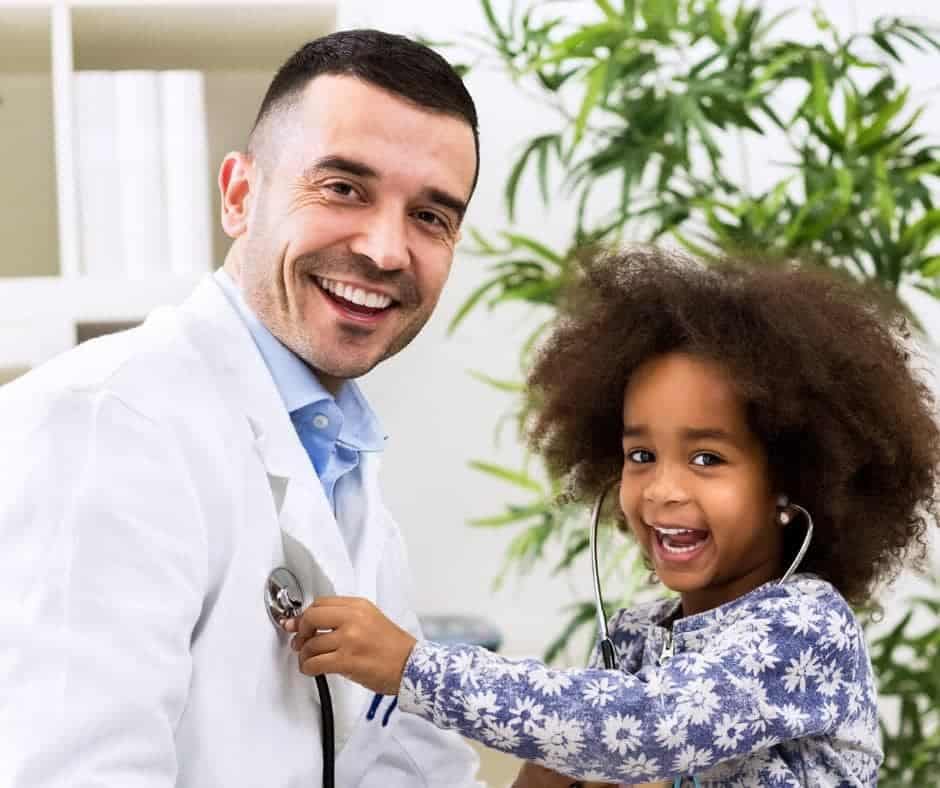
Child Fever Key Takeaways
A thermometer provides useful information, but age, duration, breathing, hydration, alertness, pain, seizures and underlying health conditions give the temperature meaning. A baby younger than 3 months with a rectal temperature of 100.4°F or higher needs prompt evaluation, while repeated fever above 104°F at any age warrants a call to the child’s doctor under American Academy of Pediatrics fever guidance. Your Local P.O.D.’s practical approach is to look at the pattern as a whole, because a lower fever with breathing trouble or poor responsiveness can be more urgent than a higher reading in a child who is drinking and interacting normally.
- Age changes the fever threshold.
- Breathing problems require fast attention.
- Dehydration can become serious.
- Behavior matters as much as the thermometer.
- Persistent or returning fever deserves reassessment.
Child Fever FAQs
What temperature is too high for a child? The American Academy of Pediatrics recommends calling a doctor when fever repeatedly rises above 104°F at any age. A lower temperature can still require immediate care when serious symptoms are present.
When should a fever go to urgent care? The AAP lists fever lasting more than three days without improvement, fever with ear pain, sore throat or worsening cough, and recurring fever among situations where same-day pediatric urgent care may be appropriate. Severe breathing difficulty, unresponsiveness or serious dehydration should be treated as an emergency.
How long can a child have a fever? AAP guidance recommends calling when fever lasts more than 24 hours in a child younger than 2 or longer than 72 hours in an older child. New or worsening symptoms can justify evaluation sooner.
Should a sleeping child be awakened? Ordinary sleep during an illness is different from being difficult to arouse. The CDC identifies lack of alertness or interaction while awake as an emergency warning sign, so parents should be able to rouse the child and assess responsiveness when there is concern.
When is fever an emergency? Emergency warning signs include serious breathing difficulty, bluish lips or face, seizures, severe dehydration, unresponsiveness, or fever in a baby under 3 months at 100.4°F or higher. The child’s symptoms and age determine urgency, not the temperature number by itself.

Piper specializes in crafting compelling narratives for local businesses throughout the unique landscape of Louisiana and beyond.