Cold brew and iced coffee may look almost identical in a glass, but the way each drink is prepared can create clear differences in flavor, caffeine, aroma, strength, and mouthfeel. The difference between cold brew and iced coffee starts with brewing temperature because one relies on extended extraction with cool water while the other usually begins as hot-brewed coffee before being chilled. Cold brew and iced coffee can start with the same beans, but the brewing method changes what people taste in the cup, so knowing how each one is made helps someone order what they will actually enjoy. Brewing time, dilution, bean choice, serving size, and preparation at a coffee shop all shape the final drink.
- Cold brew extracts coffee without hot water.
- Iced coffee normally begins with hot-brewed coffee.
- Caffeine levels depend on recipe, concentration, and serving size.
- Temperature changes the compounds extracted from roasted grounds.
Cold Brew Versus Iced Coffee
A coffee shop can prepare cold brew and iced coffee from the same beans and still create noticeably different results because the extraction methods are not the same. A useful hands-on comparison is to brew one batch in cool water for many hours, prepare another with hot water and ice, then taste both without milk or syrup so the differences in body, aroma, bitterness, and sweetness are easier to notice. Research comparing cold coffee extraction methods found meaningful differences in physical, chemical, and sensory characteristics as extraction temperature and contact time changed. Cold brew describes how the coffee is extracted, while iced coffee describes a hot-brewed drink that is served cold.
- Cold brew is defined by its extraction method.
- Iced coffee is defined more by how it is served.
- Temperature and contact time influence taste.
- Side-by-side tasting makes the contrast easier to recognize.
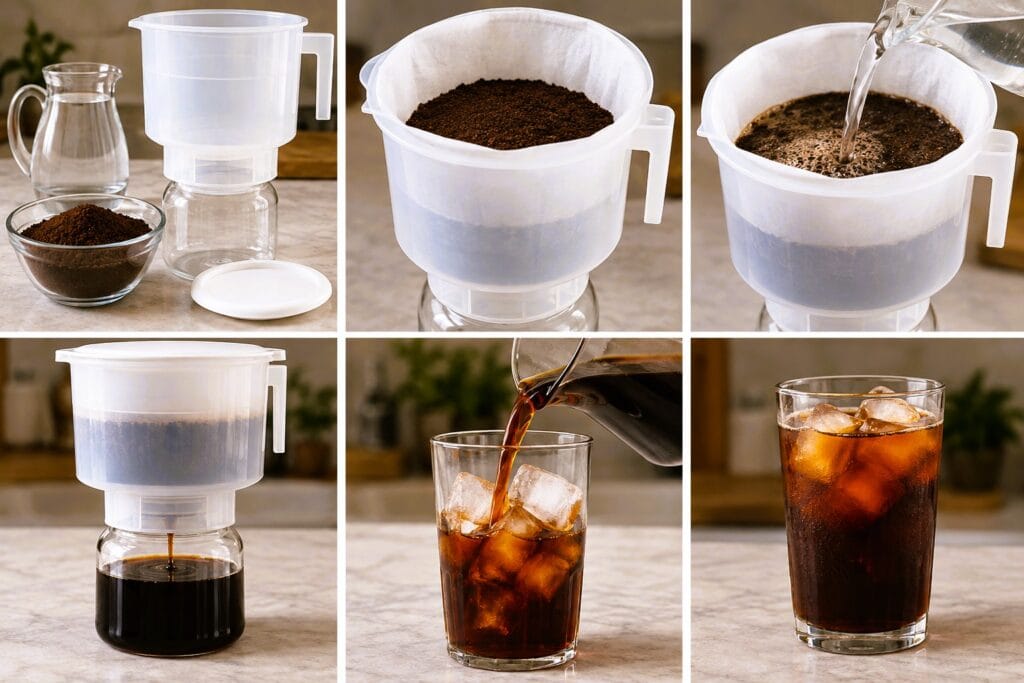
Cold Brew Brewing Method
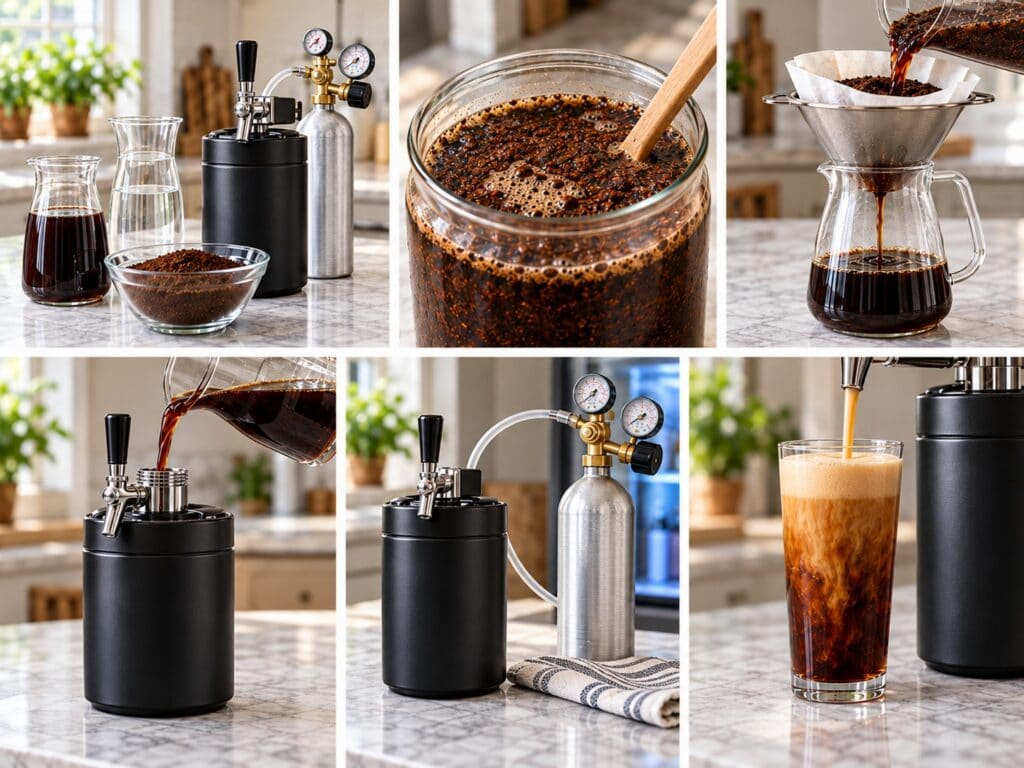
Cold brew is made by exposing ground coffee to cool or room-temperature water for an extended period rather than using heat to speed extraction. Traditional immersion recipes can steep for many hours, and published research notes that conventional cold extraction may take as long as 24 hours depending on the process. A coffee shop may prepare cold brew in larger batches because the drink needs enough time to steep before filtering, chilling, storing, and serving. Grind size, coffee-to-water ratio, roast level, water temperature, and steeping time can all shift the final flavor and concentration.
- Cold extraction often takes several hours.
- Immersion is one of the most common cold brew methods.
- Grounds are filtered after the steeping period.
- Concentrated cold brew may be diluted before service.
- Recipe choices influence both taste and caffeine.
Iced Coffee Brewing Method
Iced coffee usually begins with hot water, which pulls soluble compounds from the grounds much faster than a cold extraction method. A coffee shop may brew directly over ice, refrigerate a prepared batch, or pour hot-brewed coffee over a fresh cup of ice depending on the recipe and equipment being used. Research comparing hot and cold brewing temperatures has found differences in extraction and chemical composition, helping explain why the two beverages can taste different even when they use identical beans. Ice also changes the drink as it melts, so some recipes begin with a stronger brew to account for dilution.
- Hot water performs the initial extraction.
- Ice lowers the serving temperature.
- Melting ice gradually reduces concentration.
- Brewing strength may be adjusted before chilling.
Cold Brew Flavor Differences
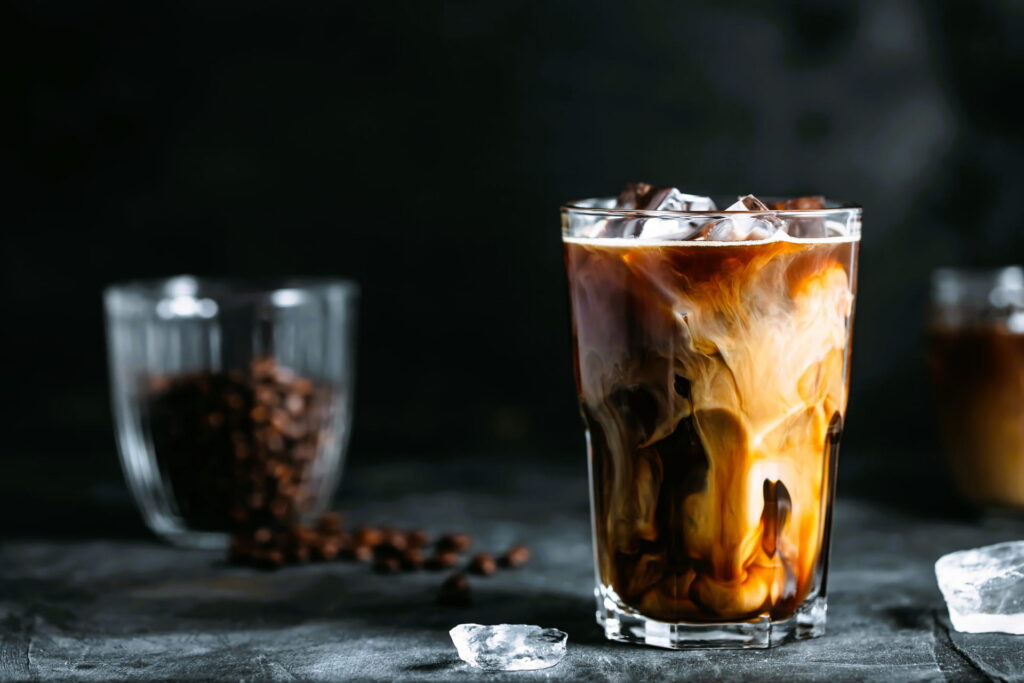
Cold brew often presents roasted coffee flavors in a different way because low-temperature extraction changes which compounds move from the grounds into the water. Studies of cold extraction have found sensory differences involving bitterness, sweetness, sourness, aroma, and intensity, though the exact experience depends heavily on beans and recipe. A coffee shop using an immersion system may produce a cup with cocoa, nut, caramel, or malt-like characteristics, while another method may bring out deeper roasted notes. Roast profile, water chemistry, grind size, and filtration all contribute, so cold brew does not have one fixed flavor.
- Bean origin can change the flavor profile.
- Roast level influences the compounds available for extraction.
- Immersion and slow-drip methods can taste different.
- Serving temperature affects flavor perception.
- Milk and sweeteners can cover subtle characteristics.
Iced Coffee Flavor Profile
Iced coffee keeps many characteristics associated with hot extraction because heat is used before the beverage reaches the ice. Research comparing brewing temperatures found that hot-brewed samples showed different acidity and volatile-compound patterns from coffee extracted at cooler temperatures. A coffee shop may choose beans with fruit, cocoa, floral, or roasted characteristics depending on how the drink is expected to taste once chilled. The finished cup can offer more immediate aroma and a brighter flavor edge, while melting ice gradually softens its strength and changes the balance.
- Hot extraction affects aromatic compounds.
- Cooling changes how flavors are perceived.
- Ice slowly reduces concentration.
- Bean selection remains a major flavor factor.
Cold Brew Caffeine Levels
Cold brew is often described as having more caffeine, but that claim needs context because caffeine depends on the amount of grounds, water, extraction conditions, dilution, and serving size. One study comparing eight preparation methods found that espresso had the highest caffeine concentration, while cold brew delivered more caffeine per serving than espresso because the cold brew serving was larger in that test. Research has also shown that grind size and brewing conditions can alter caffeine extraction in cold-brew coffee. A coffee shop serving concentrated cold brew may dilute it with water or milk, so the final caffeine level cannot be judged by the drink name alone.
- Serving volume changes total caffeine intake.
- Coffee-to-water ratio affects concentration.
- Dilution lowers caffeine per finished ounce.
- Bean variety can influence caffeine content.
- Preparation method alone does not determine caffeine.
Iced Coffee Caffeine Levels
Iced coffee caffeine levels vary for many of the same reasons, particularly because the amount of actual brewed coffee can change once ice and other ingredients are added. Cup size at a coffee shop does not always reveal how much brewed liquid is present since ice, milk, syrup, and foam may take up part of the volume. Research comparing brewing methods shows wide variation in caffeine concentration and caffeine per serving, which makes broad comparisons less useful without knowing the recipe. Drinkers who track caffeine closely can get a more accurate picture by checking nutrition information when it is available.
- Ice affects the amount of brewed coffee in a serving.
- Recipe strength varies among coffee shops.
- Serving size changes total caffeine intake.
- Nutrition data offers a clearer comparison than drink names.
Comparing Coffee Caffeine Intake
Caffeine deserves attention because chilled drinks can be consumed faster than hot ones, especially when milk or sweeteners reduce the perception of bitterness. The U.S. Food and Drug Administration states that 400 milligrams of caffeine per day is an amount not generally associated with negative effects for most healthy adults, though sensitivity differs from person to person. A large drink from a coffee shop can contain a very different caffeine dose than a smaller homemade serving even if both carry the same name. Anyone who is pregnant, sensitive to caffeine, taking certain medications, or managing a medical condition may need individual guidance from a qualified health professional.
- Caffeine sensitivity varies among individuals.
- Serving size matters along with concentration.
- Multiple caffeinated drinks can add up during the day.
Cold Coffee Acidity Differences
Acidity often comes up when people compare cold brew and iced coffee, yet the topic is more complex than saying one drink simply has less acid. Brewing temperature changes extraction, and controlled research has found differences in titratable acidity and chemical composition between hot and cold preparations. The sensation of acidity also depends on roast, origin, water, recipe, dilution, and serving temperature. A coffee shop customer who finds one method gentler may be responding to the entire sensory profile rather than a single measurement such as pH.
- Perceived acidity and measured acidity are different.
- Roast profile influences the finished cup.
- Temperature affects chemical extraction.
- Dilution can change flavor intensity.
- Personal taste affects how acidity is perceived.
Coffee Shop Cold Drink Trends
Cold coffee has become a major part of American coffee habits rather than a warm-weather novelty. National Coffee Association data released in 2025 found that cold, iced, and frozen blended drinks represented 31 percent of coffee consumed in its June survey, compared with 23 percent in January, while 17 percent of past-day coffee drinkers reported using cold brewing. The association also includes cold brew and nitro among specialty beverage categories, showing how firmly these drinks have become part of the broader market. Those trends help explain why a coffee shop may devote a sizeable part of its menu to chilled preparations.
- Cold coffee accounted for nearly one-third of consumption in the June 2025 survey.
- Cold brewing was used by 17 percent of past-day drinkers in that report.
- Cold brew remains part of the specialty beverage category.
Choosing Between Cold Drinks
Personal preference usually decides whether cold brew or iced coffee is the better fit because neither method automatically produces a better drink. Someone who enjoys a softer profile created through long, cool extraction may lean toward cold brew, while a drinker who likes the character of hot extraction but wants something chilled may prefer iced coffee. Ordering both black from the same coffee shop offers a useful comparison because milk, syrups, foam, and flavorings can hide differences created during brewing. Caffeine needs can help break the tie, but actual recipe information provides more value than assumptions based on the beverage name.
- Choose based on flavor preference and preparation method.
- Taste both without flavorings when comparing them.
- Ask how each beverage is brewed if the method is unclear.
- Check caffeine information when intake matters.
Cold Brew Storage Safety
Cold brew preparation also raises food-safety considerations because the brewing and storage process differs from making a hot cup that is consumed soon after preparation. The National Coffee Association provides cold brew safety resources for retailers that address preparation, storage, regulatory compliance, and foodborne-illness prevention. A coffee shop producing batches for later service must think about sanitation, refrigeration, holding times, and clean equipment as well as taste. Home brewers can follow the same basic principles by using clean containers, proper refrigeration, and reasonable storage times.
- Clean equipment helps reduce contamination risk.
- Cold brew may be prepared many hours before service.
- Retail operations need proper storage procedures.
- Refrigeration matters after preparation.
Cold Coffee Key Takeaways
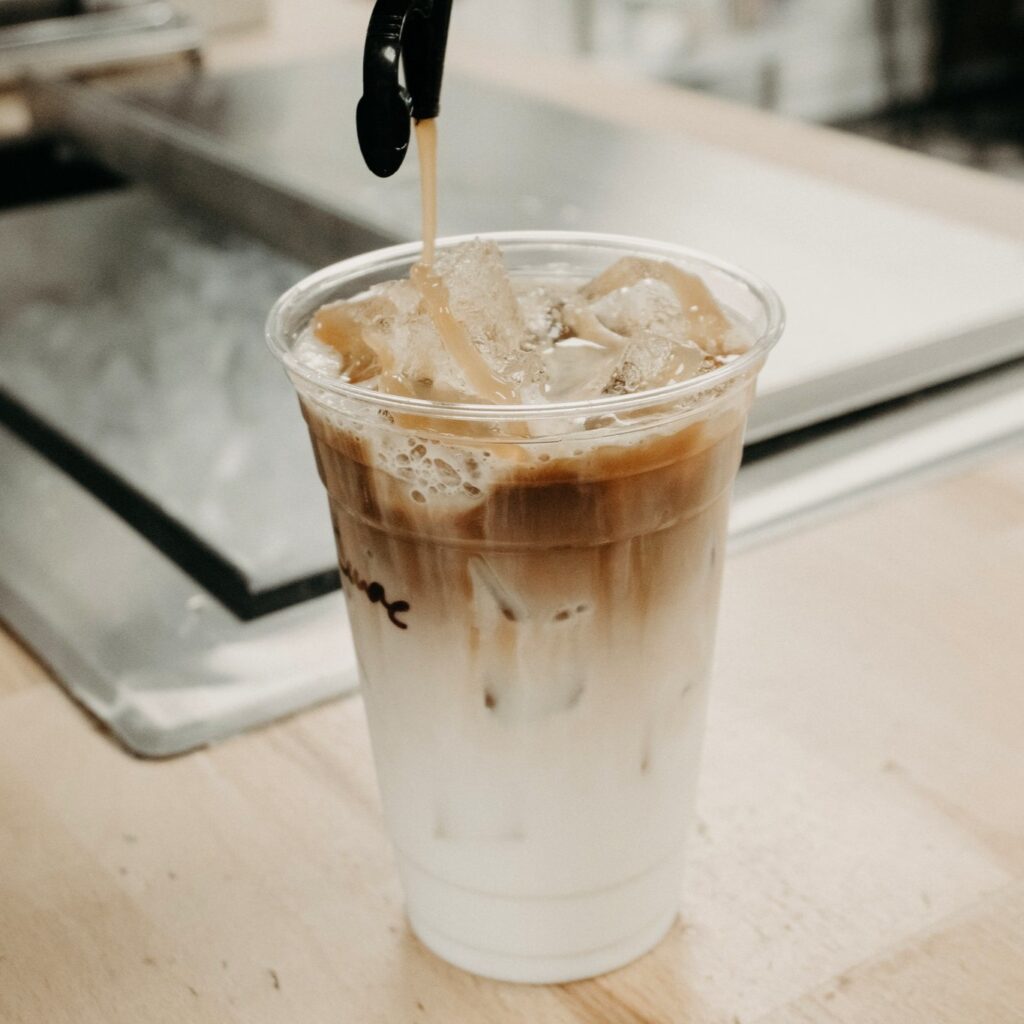
Cold brew and iced coffee can look nearly identical once poured over ice, yet their brewing paths create meaningful differences in taste, aroma, strength, acidity, and caffeine. Cold brew extracts roasted grounds with cooler water over an extended period, while iced coffee relies on hot extraction followed by chilling, and those different methods influence what reaches the cup. Caffeine cannot be estimated accurately from the beverage name because recipe strength, serving size, dilution, bean choice, and brewing conditions all matter. Understanding those differences makes a coffee shop menu easier to read and gives drinkers a clearer idea of what they are ordering.
- Brewing temperature is the main distinction.
- Cold brew requires a much longer extraction period.
- Iced coffee begins with hot brewing.
- Caffeine varies by recipe and serving volume.
- Taste differences come from several brewing variables working together.
FAQs
Is Cold Brew Stronger?
Cold brew can be stronger when it is prepared as a concentrate, but not every serving is concentrated. Water, milk, or ice may dilute it before it reaches the customer, so the recipe used by the coffee shop determines the finished strength.
Which Has More Caffeine?
Either drink can contain more caffeine depending on dose, bean type, brewing ratio, extraction, dilution, and serving volume. Published research shows enough variation among brewing methods that the beverage name alone cannot provide an accurate caffeine comparison.
Does Cold Brew Taste Smoother?
Many drinkers perceive cold brew as softer because cool extraction changes the mix of compounds entering the beverage. Sensory research has found measurable differences in bitterness, sweetness, sourness, and flavor intensity among cold extraction methods.
Is Iced Coffee Hot Brewed?
Iced coffee is generally prepared through hot extraction and then cooled or served over ice. That process separates it from cold brew, where cooler water performs the extraction from the start.
Why Does Coffee Shop Cold Brew Vary?
Each coffee shop can use different beans, grind sizes, water ratios, extraction times, temperatures, filtration methods, concentrate ratios, and serving volumes. Those recipe choices affect flavor, body, caffeine concentration, and strength, which is why cold brew from two locations can taste surprisingly different.

Piper specializes in crafting compelling narratives for local businesses throughout the unique landscape of Louisiana and beyond.