A homeowners insurance deductible determines how much of a covered property loss the policyholder is responsible for before the insurer’s payment applies to the claim. Choosing the right homeowners insurance deductible requires balancing annual premium savings against the amount a household could realistically pay after a fire, theft, windstorm, or other covered event. Southern Ambit Insurance says its goal is to “make sure you fully understand your insurance needs,” an especially useful principle when a seemingly small percentage deductible can translate into several thousand dollars after a loss. Homeowner’s insurance deductibles, storm provisions, percentage calculations, claim costs, and emergency savings should all be reviewed before a policy is selected or renewed.
- Calculate every deductible in actual dollars.
- Compare the amount with readily available household savings.
- Review wind, hail, hurricane, and named-storm provisions separately.
- Check deductible options whenever the policy renews.
- Compare premium savings with the added amount retained by the homeowner.
Choosing Insurance Deductibles
Choosing insurance deductibles becomes easier when homeowners place several options beside their corresponding annual premiums and calculate what each choice would mean during an actual claim. A $500 deductible, a $2,500 deductible, and a percentage deductible may look straightforward on a quote, yet they can produce dramatically different out-of-pocket expenses after substantial property damage. The Texas Department of Insurance provides an example of a home insured for $150,000 where a 5 percent deductible equals $7,500. Homeowner’s insurance becomes much clearer when every percentage is translated into a dollar amount before the household compares policy prices.
- Write down every deductible offered by each insurer.
- Convert percentage deductibles into exact dollar amounts.
- Compare those amounts with several realistic repair scenarios.
- Look at the annual premium difference between deductible choices.
- Keep storm deductibles separate from ordinary policy deductibles.
How Deductibles Work
A deductible represents the portion of a covered loss that remains the policyholder’s responsibility under the terms of the insurance contract. The National Association of Insurance Commissioners defines a deductible as the “amount of loss paid by the policyholder before any loss is paid by the insurer.” The Texas Department of Insurance gives a basic example in which a $1,000 covered loss with a $300 deductible results in a $700 insurance payment. Homeowner’s insurance can also contain different deductibles for separate causes of loss, so homeowners should never assume one deductible applies to every claim.
- Locate the standard policy deductible.
- Identify separate wind, hail, hurricane, or named-storm provisions.
- Check the declarations page for current amounts.
- Calculate the homeowner’s likely share before a loss occurs.
- Ask how multiple deductibles apply if policy wording is unclear.
Higher Deductible Savings
A higher deductible generally transfers a larger portion of a covered loss to the homeowner and may reduce the insurance premium in return. The NAIC explains that choosing a deductible involves selecting the amount of loss a household is comfortable paying and lists $500 and $1,000 as examples insurers may offer. Premium savings deserve closer examination because saving a few hundred dollars annually may not justify accepting several thousand dollars of additional claim responsibility for every household. Homeowner’s insurance buyers can make a stronger comparison by calculating how many years of premium savings would be required to offset the larger deductible.
- Record the annual premium savings for each higher deductible.
- Calculate the additional claim responsibility being accepted.
- Estimate how long premium savings would take to equal that difference.
- Keep enough accessible savings to cover the deductible.
- Avoid choosing a deductible based only on the lowest premium.
Lower Deductible Tradeoffs
A lower deductible reduces the amount a homeowner must absorb when an eligible covered claim occurs, but that added protection commonly comes with a higher premium. The NAIC explains that lower deductibles are associated with higher policy premiums because the insurer begins sharing eligible losses at a lower threshold. Homeowner’s insurance structured this way may appeal to households that prefer a more predictable annual premium expense instead of facing a larger unexpected bill after serious property damage. The best comparison considers both immediate affordability and how easily the family could produce the deductible during an emergency.
- Compare the annual premium increase carefully.
- Consider the amount currently available in emergency savings.
- Estimate repair costs for several common loss scenarios.
- Determine whether the lower deductible provides enough financial benefit to justify the premium.
Percentage Deductible Math
Percentage deductibles deserve extra attention because they are commonly calculated using the insured value of the dwelling rather than simply applying the percentage to the cost of repairs. The Texas Department of Insurance illustrates the difference with a 5 percent deductible on a home insured for $150,000, producing a $7,500 deductible. The same example shows that $6,500 of roof damage falls below that deductible, leaving no payment under the facts presented. Homeowner’s insurance shoppers should perform this calculation before purchasing coverage because a percentage that looks modest on paper can represent a sizable cash obligation.
- Locate the insured dwelling amount on the policy.
- Multiply that figure by the deductible percentage.
- Compare the resulting amount with household savings.
- Test several potential property-loss amounts.
- Recalculate whenever dwelling coverage changes.
Windstorm Deductible Rules
Wind and hail losses may be subject to a deductible that is different from the amount used for fire, theft, and other covered causes of loss. The NAIC explains that windstorm deductibles can apply when wind or hail causes damage, including circumstances where a tree damages a roof during a wind event. Homeowner’s insurance policyholders should identify each separate deductible on the declarations page and understand what event triggers it before severe weather arrives. Storm-specific provisions matter most in areas where high winds and hurricanes create a meaningful share of property risk.
- Find every wind and hail deductible shown in the policy.
- Review the wording that determines when it applies.
- Convert any percentage deductible into dollars.
- Keep flood insurance separate from wind coverage discussions.
- Store declarations pages with other accessible insurance records.
Hurricane Deductible Costs
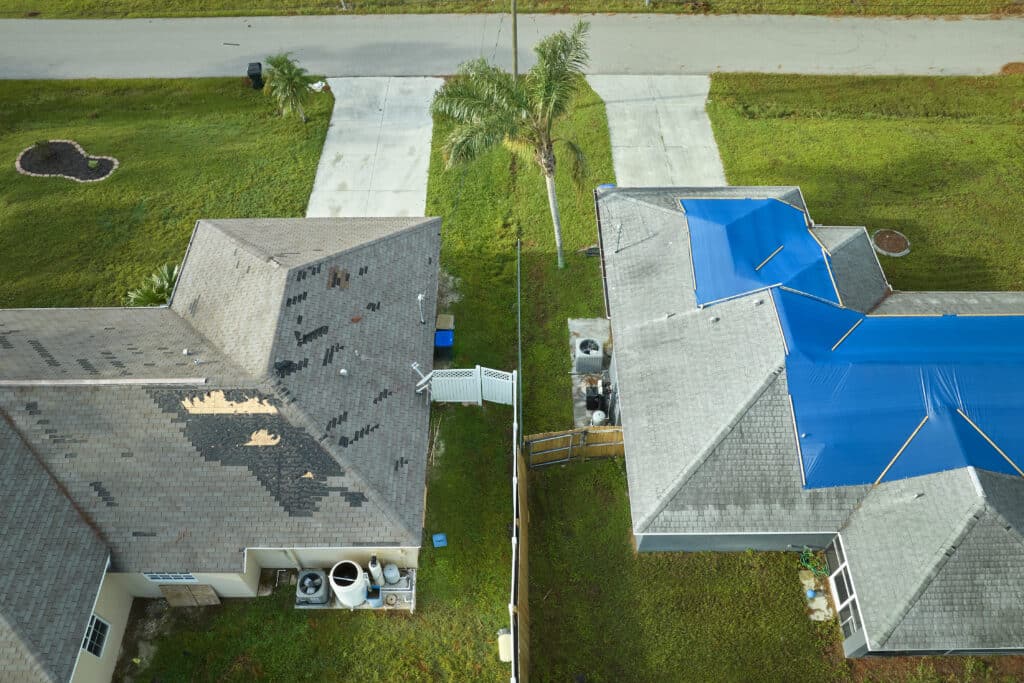
Hurricane and named-storm deductibles can leave homeowners responsible for a substantial portion of repairs before applicable insurance payments begin. The Louisiana Department of Insurance reported in June 2026 that named-storm or hurricane deductibles typically range from 2 to 5 percent of insured value, and its example shows a 3 percent deductible on a $200,000 home creating $6,000 of out-of-pocket responsibility. Homeowner’s insurance buyers should calculate that dollar figure well before hurricane season rather than waiting until property damage has already occurred. A household that can comfortably handle a $1,000 ordinary deductible may find a percentage-based storm deductible far more difficult to fund.
- Identify the exact hurricane or named-storm percentage.
- Convert the percentage into a current dollar obligation.
- Check the policy language explaining when the deductible activates.
- Include the storm deductible in emergency savings planning.
- Recalculate after dwelling coverage increases.
Deductibles and Claims
Smaller property losses can result in little or no insurance payment when repair expenses remain close to or below the deductible. Texas regulators provide an example where $6,500 of roof damage falls below a $7,500 deductible, meaning the policy does not contribute to the repair under the facts presented. Homeowner’s insurance policyholders should still review their contractual reporting obligations after damage because claim procedures, notice requirements, and deadlines depend on the individual policy. Photographs, repair estimates, receipts, and a written timeline can also help document what happened if a claim is ultimately filed.
- Estimate damage before comparing repair costs with the deductible.
- Review the policy’s claim-reporting requirements.
- Photograph damaged property before repairs when practical.
- Keep contractor estimates and related receipts.
- Ask the insurer about claim procedures when requirements are unclear.
Emergency Fund Planning
An insurance deductible is manageable only when the household can produce the required amount after an unexpected loss. The NAIC advises consumers choosing a larger deductible to make sure they can afford it when a loss occurs. Homeowner’s insurance planning can therefore include keeping the deductible within accessible emergency reserves rather than depending entirely on credit cards, loans, or money committed to other household obligations. Families should also consider that a major property loss may happen alongside temporary housing expenses, transportation costs, missed work, or other financial pressures.
- Match the deductible to realistic emergency savings.
- Keep enough funds accessible for urgent repairs.
- Allow room for other expenses that may occur after a loss.
- Rebuild emergency reserves after they are used.
- Avoid choosing a deductible that would require difficult borrowing.
Home Value Matters
Percentage deductibles can increase even when the stated percentage stays exactly the same because the calculation is tied to the insured dwelling amount. NAIC guidance explains that percentage deductibles are typically applied to the home’s insured value when determining the policyholder’s responsibility. A homeowner’s insurance renewal that raises dwelling coverage from $250,000 to $300,000 can therefore increase a percentage deductible without changing the percentage printed on the declarations page. Renovations, rebuilding-cost adjustments, inflation-related coverage increases, and other changes make annual recalculation worthwhile.
- Recalculate percentage deductibles after coverage increases.
- Review changes following major renovations.
- Do not rely on the dollar amount calculated in a previous year.
- Check whether automatic dwelling-limit adjustments affect deductible exposure.
Comparing Policy Deductibles
Policy comparisons become more meaningful when homeowners examine quotes using similar coverage limits, deductibles, endorsements, and storm provisions. One insurer may offer an appealing premium while assigning considerably more storm-related risk to the homeowner, while another may charge more each year but require less cash after a covered event. Homeowner’s insurance decisions should account for both the annual price and the amount retained by the household during a claim. A side-by-side worksheet can make differences easier to recognize than comparing premium totals alone.
- Match dwelling coverage limits as closely as possible.
- Compare standard policy deductibles.
- List wind and hail deductibles separately.
- Calculate hurricane percentages in dollars.
- Review exclusions and endorsements alongside price.
- Compare the maximum likely out-of-pocket responsibility under each quote.
Reviewing Deductibles Yearly
A deductible chosen several years ago may no longer fit a household’s income, savings, property value, or current insurance market. The Texas Department of Insurance explains that the declarations page lists coverage, limits, and deductibles, making it a practical starting point for an annual policy review. Homeowner’s insurance should receive another look after remodeling projects, major income changes, substantial additions to emergency savings, or increases in dwelling coverage. Renewal time also provides an opportunity to ask whether alternative deductible options could improve the balance between premium cost and claim exposure.
- Read the declarations page at every renewal.
- Recalculate percentage-based amounts each year.
- Compare current savings with potential out-of-pocket exposure.
- Check whether storm deductibles have changed.
- Ask about available deductible alternatives before renewing.
Balancing Cost and Risk
The right deductible sits at the point where premium affordability and claim responsibility fit the household’s actual finances. Larger deductibles may lower annual policy costs, while smaller deductibles can reduce the amount that must be paid after a covered loss, and percentage-based storm provisions can create a much larger obligation than their numbers initially suggest. Homeowner’s insurance works more effectively as a financial protection tool when families calculate these outcomes before a loss rather than discovering them while arranging emergency repairs. The objective is not simply finding the lowest premium but selecting a deductible that remains manageable when the policy is needed most.
- Know every deductible attached to the policy.
- Translate percentage amounts into actual dollars.
- Compare the resulting exposure with available reserves.
- Consider premium savings and claim costs together.
- Review the balance whenever finances or coverage change.

Homeowner’s Insurance Key Takeaways
Homeowner’s insurance deductible choices influence both the premium paid during ordinary years and the amount the household must handle when a covered claim occurs. Insurance regulators consistently encourage consumers to understand the dollar value of percentage deductibles, recognize separate storm provisions, and choose an amount that remains affordable after a loss. A policy with a lower premium is not automatically the better financial choice when its deductible would consume a large share of the family’s emergency savings. A few straightforward calculations before purchase or renewal can reveal far more about financial exposure than the percentage printed on the declarations page alone.
- A deductible represents the homeowner’s share of an eligible covered loss.
- A higher deductible may reduce premium costs but increases claim responsibility.
- Percentage deductibles are generally calculated using the insured dwelling value.
- Wind, hurricane, and named-storm losses may have separate deductibles.
- Emergency savings should be sufficient to support the selected amount.
- Percentage deductibles should be recalculated whenever dwelling coverage changes.
Frequently Asked Questions About Homeowners Insurance Deductibles
What Homeowners Insurance Deductible Is Best? No single deductible is best for every household because income, savings, insured value, storm exposure, and tolerance for financial risk differ. The NAIC recommends choosing an amount the policyholder can afford after a loss, so homeowners should compare the annual premium savings with the actual cash they would need to produce during a claim.
Does a Deductible Affect the Premium? Yes. The NAIC explains that a lower deductible generally carries a higher premium, while accepting a larger portion of a potential loss may reduce the annual policy cost. Homeowners should calculate whether those premium savings are large enough to justify the additional deductible exposure.
Are Hurricane Deductibles Separate? They can be. The NAIC explains that hurricane or named-storm deductibles may apply separately from deductibles used for other insured causes of loss and may be expressed as either a fixed dollar amount or a percentage. Policy wording and applicable state rules determine exactly when those provisions take effect.
Can Homeowners Insurance Deductibles Be Changed? Insurers may offer several deductible choices, and renewal is a useful time to ask which alternatives are available. Changing the deductible can alter both the annual premium and the amount retained by the homeowner during a covered claim, so the new exposure should always be converted into dollars before the change is accepted.
Should Homeowners Choose a Higher Deductible? A higher deductible can make sense when the premium reduction is worthwhile and the household maintains enough accessible funds to cover the larger amount after a loss. The NAIC specifically advises consumers to make sure they can afford the deductible they select. A reduced premium provides limited value if a future claim leaves the homeowner unable to fund necessary repairs.

Piper specializes in crafting compelling narratives for local businesses throughout the unique landscape of Louisiana and beyond.