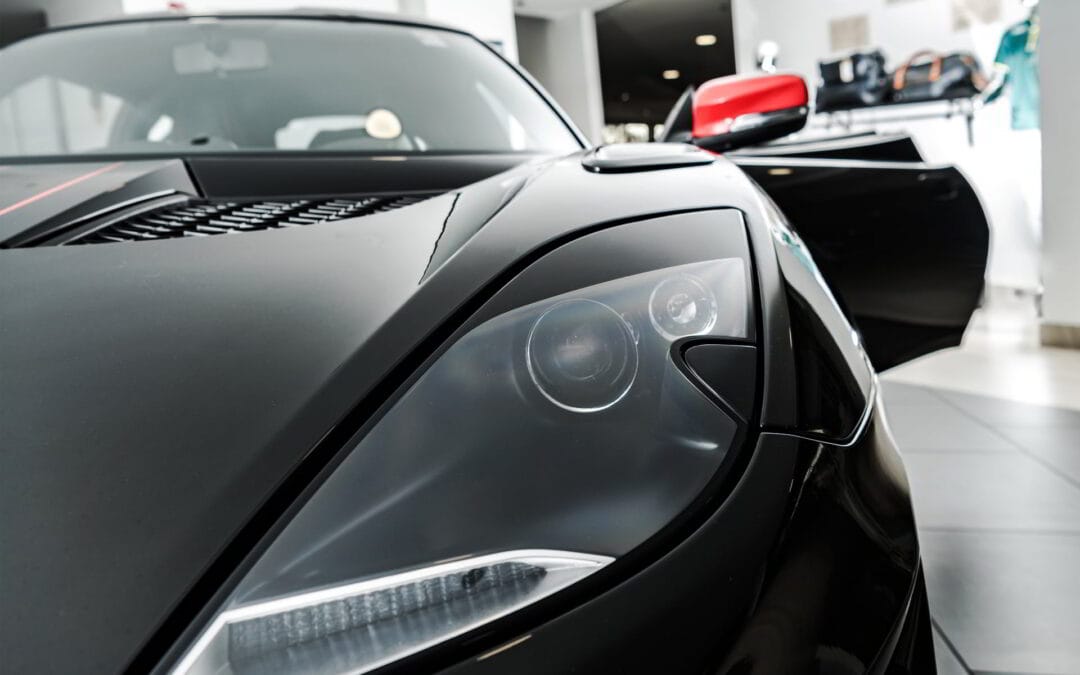
Vehicle paint can look spotless after washing yet reveal swirls, haze, scratches, mineral marks, and other defects once sunlight moves across the panels. Paint correction is a controlled polishing process that reduces flaws within the painted finish rather than hiding them beneath wax or glaze. Understanding what paint correction does and when a car needs it helps owners separate damage that may respond to polishing from defects that call for repainting or body repair. A car detailing service can inspect the finish under focused lighting and help determine whether correction makes sense before machines ever touch the paint.
- Correction removes or reduces defects instead of masking them.
- Clean paint can still contain thousands of small imperfections.
- Damage depth influences whether polishing is appropriate.
- Inspection should take place before correction begins.
When Paint Correction Helps
Paint correction tends to help when scratches, oxidation, haze, or etching remain within a portion of the coating that can be polished without exposing material underneath. A detailer might inspect a black hood beneath an inspection lamp, polish a small test area, then compare that section against the untouched finish to see what level of improvement is possible. Axalta explains that automotive clear coats help protect finishes from scratches, ultraviolet radiation, chemicals, and environmental exposure, so preserving that protective layer matters just as much as removing defects.
- A test section can show how the coating responds.
- Scratch depth affects the polishing method.
- Paint condition matters more than vehicle mileage.
- Some defects need repair rather than correction.
1 Visible Swirl Marks
Swirl marks often appear as rings or spiderweb-like lines around reflected sunlight, streetlights, or inspection lamps. Dirty wash mitts, contaminated towels, automatic brushes, and dry wiping can move grit across the finish and leave these scratches behind, sometimes one wash at a time until they become hard to ignore. 3M finishing polish guidance specifically describes removing compound swirls, small scratches, and water spots from clear-coated finishes through polishing.
- Directional light makes swirl patterns easier to identify.
- Dark-colored panels often reveal fine marks sooner.
- Shallow swirls may respond well to machine polishing.
- Better wash habits can help slow their return.
2 Light Paint Scratches
Light scratches are common on door panels, hoods, trunks, and areas repeatedly touched during washing or drying. Paint correction may reduce a scratch that sits within the upper coating, but a groove that reaches color, primer, or bare material needs a different repair because polishing cannot replace missing paint. Meguiar’s paint-care guidance explains that products made for modern clear coats can address small scratches and swirls while harsher compounds can leave haze when used incorrectly.
- Surface scratches can sometimes disappear during refinement.
- Deep cuts may require touch-up paint or refinishing.
- Excessive polishing removes coating that cannot be replaced.
3 Dull Faded Paint
Dull paint does not always mean a vehicle needs repainting. Oxidation, microscopic scratching, residue, and weather exposure can interfere with reflected light and leave panels looking tired even after a thorough wash. Research indexed by the Environmental Protection Agency on coating degradation found that ultraviolet radiation, heat, and environmental exposure can alter coating properties as materials age, which helps explain why exposed finishes lose appearance over time.
- Polishing may improve recoverable oxidation.
- Surface defects can reduce visible gloss.
- Peeling coating cannot be restored through polishing alone.
- Sun exposure contributes to coating deterioration.
4 Cloudy Paint Finish
A cloudy finish can develop when fine scratches, machine trails, weathering, or residue disrupt the way light reflects from the surface. Owners sometimes notice the problem after washing because removing dirt exposes the haze underneath, and what seemed like a dirty panel turns out to be a finish problem. Meguiar’s polishing information describes reducing fine swirls and towel marks while improving gloss and reflection on clear-coated paint.
- Haze may become more visible beneath sunlight.
- Inspection lamps can expose machine trails.
- Finishing polish can improve reflection where damage permits.
5 Etched Water Spots
Water spots require diagnosis because not every white ring seen on paint has etched into the coating. The U.S. Geological Survey explains that hard water contains dissolved calcium and magnesium, and it classifies water above 180 milligrams per liter as very hard. Water can evaporate and leave mineral material behind, so a detailer may first try deposit removal before deciding whether paint correction is needed for marks that remain in the finish.
- Surface minerals may come off without polishing.
- Etched marks can require abrasive correction.
- Testing helps prevent unnecessary coating removal.
- Repeated water exposure can leave layered deposits.
6 Paint Oxidation Damage
Oxidized paint may appear chalky, washed out, or unable to hold the reflection owners expect after cleaning. Early deterioration may respond to paint correction when enough usable coating remains, while peeling or failed clear coat needs refinishing instead. Axalta automotive coating information describes UV-resistant technologies used to help limit fading and protect vehicle finishes from scratches and chips.
- Mild oxidation may improve through correction.
- Coating failure cannot be polished away.
- UV exposure can contribute to paint aging.

7 Bird Dropping Etching
Bird droppings can leave more than a dirty spot when residue sits on paint through sun exposure and repeated temperature changes. Cleaning should come first, followed by inspection to determine whether staining or etching remains below the contamination. Meguiar’s surface-care instructions recommend removing bird waste and similar contaminants before they have more opportunity to affect the finish.
- Fresh waste should be removed without grinding it into paint.
- Remaining outlines may respond to paint correction.
- Deep etching can remain after polishing.
- A test area helps establish realistic expectations.
8 Wash Induced Scratches
Routine washing can create paint damage when dirt becomes trapped between the surface and a towel, mitt, or brush. Those scratches build slowly and often form a web of lines that becomes obvious under parking-lot lighting, especially after months of repeated contact. Meguiar’s detailing guidance explains that lubrication helps reduce swirling and scratching when contamination is being removed from paint.
- Clean wash media reduces contact with trapped grit.
- Dry wiping dusty paint can create new marks.
- Lubrication lowers friction during surface cleaning.
- Paint correction cannot stop poor washing from creating fresh scratches.
9 Previous Polishing Marks
Poor machine polishing can leave holograms, buffer trails, or uneven sections that were not visible inside a garage. Direct sunlight often exposes those patterns because light catches marks created by pad movement, heavy compound, or an unfinished polishing stage. Meguiar’s professional compound specifications describe products capable of addressing sanding marks, heavy swirls, and holograms, followed by further refinement when the finish requires it.
- Holograms may follow the path of a polishing machine.
- Compounding can require a second refining stage.
- Sunlight provides a useful check after correction.
10 Reduced Paint Gloss
One large scratch is not required for paint correction to make a noticeable difference. Countless tiny defects spread across several panels can scatter light and reduce depth, leaving paint looking flat even when the vehicle has been washed and waxed. PPG explains that automotive clear coat provides gloss while helping protect underlying color against fading and scratches, which is one reason surface condition has such a strong effect on appearance.
- Gloss depends partly on how evenly light reflects.
- Wax can hide some defects without removing them.
- Test sections make changes easier to compare.
- Correction works on the surface instead of covering flaws.
Paint Correction Process
Paint correction begins before a polishing machine is switched on because loose dirt and bonded contamination should be removed from the vehicle first. Washing is followed by decontamination, and clay may be used when material remains attached to the paint after washing. Meguiar’s clay guidance identifies overspray, tree-sap mist, road tar, and industrial fallout as examples of bonded contamination clay can remove, after which a detailer can perform test passes and select a polishing approach.
- Washing removes loose dirt before machine work.
- Clay can address bonded contamination when needed.
- Test passes help determine pad and polish selection.
- Inspection between stages shows whether more correction is justified.
Paint Correction Limits
Paint correction cannot solve every defect because polishing works with coating that still exists on the vehicle. Rock chips, rust, exposed primer, peeling clear coat, and scratches that cut through the painted system may require touch-up work, body repair, or refinishing instead. PPG refinish procedures specify a minimum 2.0 mil clear-coat film build for the warranty conditions described in that system, illustrating why coating thickness deserves attention rather than removing material without restraint.
- Missing paint cannot be recreated through polishing.
- Coating preservation should guide correction decisions.
- Severe damage belongs in another repair category.
Protecting Corrected Paint
Paint correction improves existing defects, but the finish can develop new marks when washing tools, towels, or contaminants scrape across it later. Wax, sealant, or ceramic coating may be applied after correction depending on the protection plan, while careful washing helps preserve the work underneath. P’s Detailing & Washing has shared a useful reminder about long-term care, saying, “routine detailing is not just about shine, it’s preventive maintenance that keeps your vehicle healthy inside and out.”
- Use clean towels and wash mitts after correction.
- Remove contamination before rubbing the surface.
- Choose paint protection after polishing is complete.
- A car detailing service can maintain corrected finishes between major services.
Choosing Correction Carefully
Paint correction works best when the goal matches the condition of the vehicle rather than an expectation that every mark must disappear. Swirls, haze, shallow scratches, water-spot etching, oxidation, and machine trails can respond in different ways, so inspection and test polishing give the detailer evidence before more material is removed. A sensible approach improves appearance while retaining as much of the existing coating as possible, which matters more over time than chasing one stubborn defect at the expense of surrounding paint.
- Each defect should be assessed on its own depth.
- Correction levels can vary from one panel to another.
- Preserving coating should remain part of the decision.
- Perfect paint is not always a safe or realistic goal.

Paint Correction Key Takeaways
Paint correction is a defect-removal process rather than a temporary shine treatment, and its value depends on choosing the right defects to address. Swirls, wash scratches, haze, mineral etching, oxidation, and polishing trails may improve when they remain within material that can be worked safely, while rust, chips, exposed primer, and failed clear coat call for another solution. Vehicle owners get a clearer picture of possible results when inspection, decontamination, test polishing, coating preservation, and aftercare are treated as connected parts of the process.
- Paint correction addresses defects within the existing finish.
- Scratch depth determines whether polishing can help.
- Water deposits should be identified before abrasion begins.
- Failed paint needs repair rather than more polishing.
- Good washing habits help preserve corrected surfaces.
Paint Correction FAQs
Does Paint Correction Remove Scratches?
Paint correction can remove or reduce scratches that remain within a workable portion of the vehicle’s coating. Scratches that reach color, primer, or bare substrate usually require a different type of repair. A detailer can inspect the defect and test a section before deciding how much correction is safe.
How Long Does Correction Last?
Paint correction does not wear away on a set schedule because the process removes defects instead of applying a temporary filler. New swirls and scratches can appear from washing, contamination, brushes, towels, or routine contact after the service. Maintenance methods have a major influence on how long the finish continues to look corrected.
Does Correction Remove Swirls?
Swirl removal is one of the common reasons paint correction is performed. Both 3M and Meguiar’s describe polishing products that address swirl marks and small scratches in automotive finishes. Results vary according to depth, coating condition, and how much material can be polished safely.
Can New Cars Need Correction?
New vehicles can arrive with wash marks, transport contamination, adhesive residue, machine trails, or scratches created before delivery. Mileage does not reveal the condition of the finish, so a recently purchased vehicle can still benefit from an inspection. Lighting and a test section provide more useful information than vehicle age alone.
Is Ceramic Coating Paint Correction?
Ceramic coating and paint correction serve separate purposes. Paint correction reduces existing surface defects, while a coating is applied afterward to create a protective layer over the prepared finish. Applying a coating without correcting visible flaws can leave those imperfections easy to see underneath the protection.

Piper specializes in crafting compelling narratives for local businesses throughout the unique landscape of Louisiana and beyond.